The Marijuana Murders
Nostalgia City, the theme park setting for the mysteries in this series, is a 1970s town complete with period cars, clothes, hairstyles, music, fashions, food, fads—the works. One of the most important of those elements is music. In 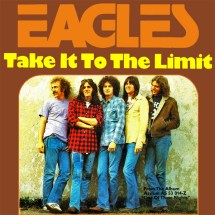 The Marijuana Murders (as in the previous Nostalgia City books) I use the names of real songs (and artists) to establish the decades-past setting of the park and sometimes to contribute to the mood of individual scenes or chapters.
It helps if you remember some of the songs or at least recognize the names of the old singers and groups. Recollection of the music can help you slip into the ambiance of a scene, and nowhere is music more important to a setting than in Chapter 3 when Kate walks into the park’s famous headshop. Imagine the aroma of incense, the fluorescent glow of psychedelic posters,  and the sound of Ravi Shankar’s sitar.
In this book, Lyle has chosen a few bars of Chuck Mangione for his cell phone ringer. He uses an upbeat section of Mangione’s Grammy-nominated “Feels So Good” from 1977. Lyle must have chosen the selection on a particularly bright day considering the grief he faces in the novel.
Two other notable songs from the book are “Treat her Like a Lady” by the Cornelius Brothers and Sister Rose and “Take It to the Limit” by the Eagles. It’s the rhythm of the former song that sets a pace in a later chapter and the lyrics of the latter song that more accurately reflect Lyle’s general feelings.
 The books ends with the light touch of Olivia Newton-John singing “Magic.” The song sat at #1 on Billboard’s pop chart for four weeks in 1980. Other groups and artists mentioned include The Village People, Barry White, The Monkees, The Who, Captain and Tennille, and The Animals.
Finally, to get into the retro spirit of the book, try to remember these oldies, also mentioned: “Along Comes Mary” – The Association, “Puff the Magic Dragon” – Peter, Paul and Mary, “Maggie Mae” – Rod Stewart.
 Music—usually jazz—is often associated with PI stories and if TV series and movies can have musical sound tracks, why not mystery novels? If you were to create music for Desert Kill Switch, I’d select classic rock instead of jazz. In the book, I mention many songs and imagine them playing in the background to set a mood or to maintain the story’s retro theme. If you wanted to put together an album representing scenes and themes in Desert Kill Switch, here are the songs I’d suggest:
 Nostalgia City Mysteries